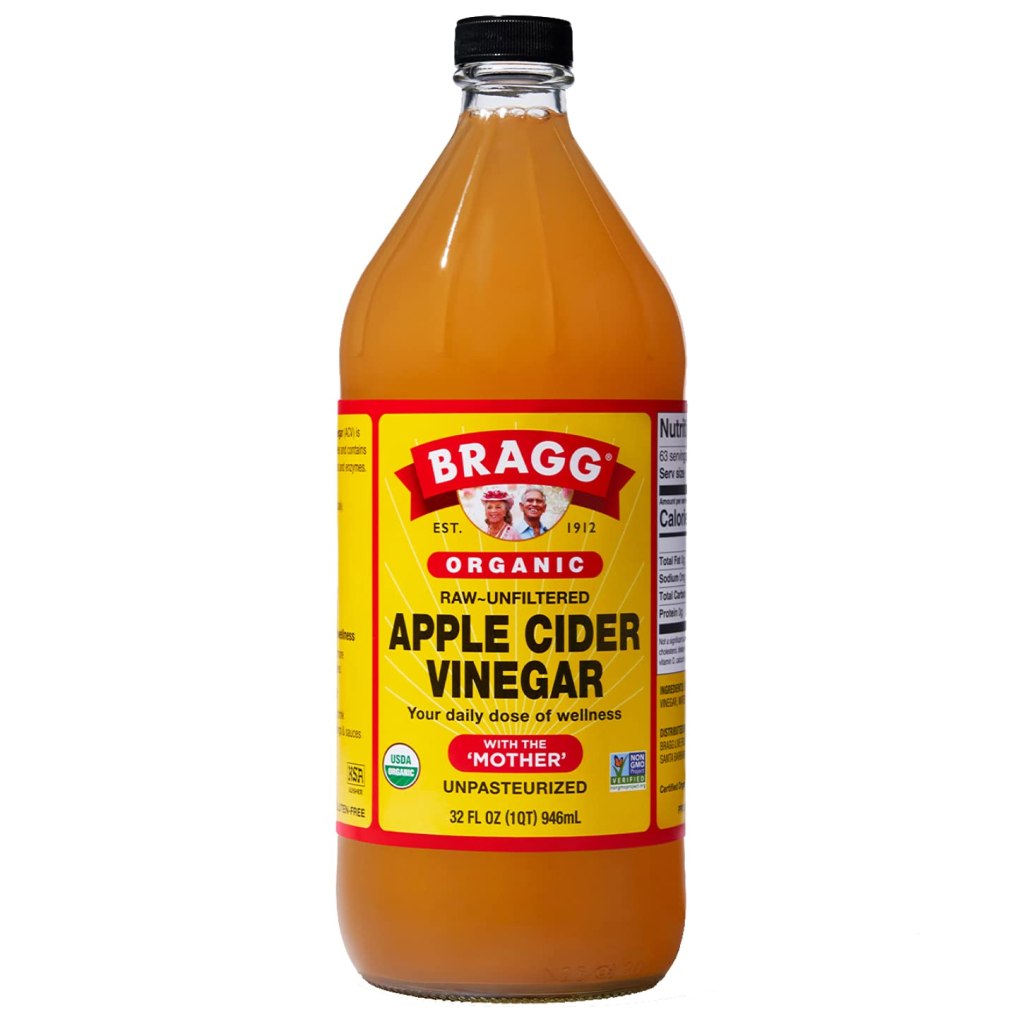
Apple Cider Vinegar(ACV) is popularly known by the natural hair community for its beneficial properties to both the body and hair.
In this article, you’ll know what ACV is , its benefits in terms of the natural hair, the pros and cons of it, how it’s made (for the benefit of those who want to save some coins) and various ways to apply or use it on your hair.
Apple cider vinegar is simply the fermented form of apple juice. It has acetic acid and nutrients such as vitamins B and C. ACV is also used widely and traditionally for medicinal purposes.
Apple cider vinegar is mostly apple juice, but adding yeast turns the sugar in the juice into alcohol. This is a process called fermentation. Bacteria turn the alcohol into acetic acid and that is what gives vinegar its sour taste and strong smell.
Uses/Purposes Of ACV

ACV improves heart function, aids weight loss, reduces belly fat, regulates blood sugar, improves hair, clears acne, etc.
To stick to our main purpose of this article, we will focus mainly on how ACV is beneficial to our natural hair journey. Simply put, how ACV aids and improves our hair health.
Why is ACV important in my natural hair journey?

To begin with, ACV balances the pH of the hair and scalp. ACV works on the hair cuticles by flattening and closing them. When the cuticles of the hair are flattened and closed, it prevents the hair strands from rubbing against each other and tangling. This aids in easier detangling of the natural hair and due to the smooth cuticle layers. Due to its high acetic-acid content, ACV balances pH by lowering the alkalinity of the hair. This ensures strength and shine of the hair.
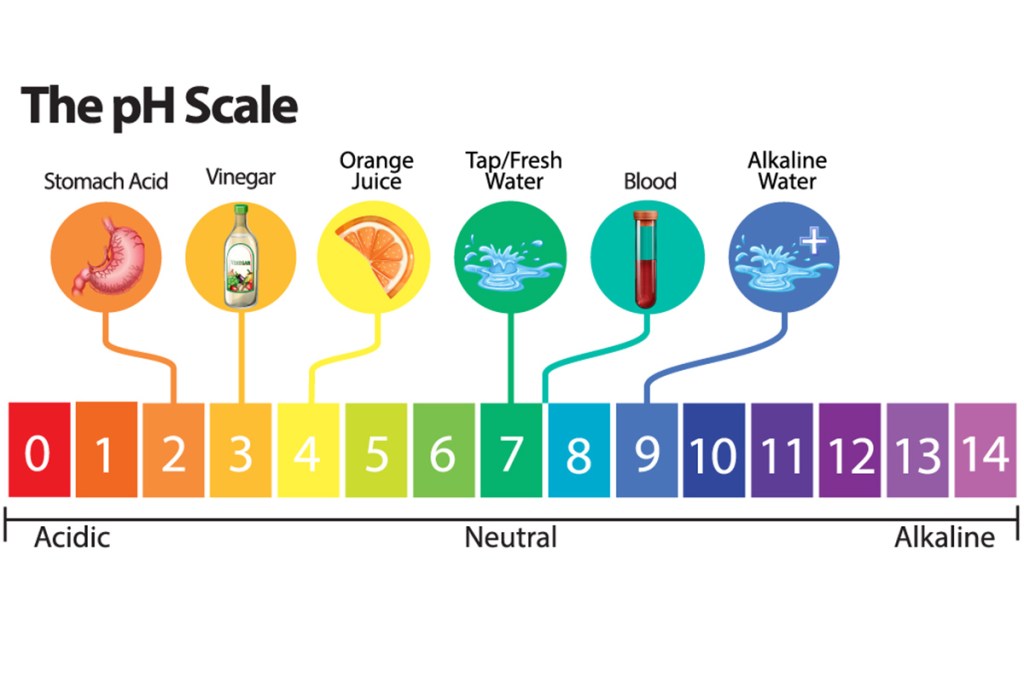
NB: pH is a measure of acidity, with 1 being the most acidic and 7 being neutral. ACV has a low pH of about 2 to 3 (considered mildly acidic) which massively helps in balancing the hair or scalp or both.
ACV also prevents frizz and breakage. We learnt, in the previous paragraph, that ACV flattens and closes the hair cuticles. Due to this, the hair strands do not break by rubbing against each other. The hair strands also become stronger and there’s a limited chance of frizz due to the smoothness of the hair strands.
Moreover, apple cider vinegar prevents and kills bacteria and fungi on the scalp. ACV is widely effective as an antifungal, disinfectant and is also mildly acidic, thus, these properties of ACV is suggested to prevent or kill bacteria or fungi which could contribute to a lot of scalp issues such as dandruff, scalp folliculitis, itching of the scalp, etc. As a result, ACV cleanses the scalp of product build up (shampoo, deep conditioning, Hair butters, etc) and keep the scalp relieved of itching, dryness, etc.
ACV stimulates the shedding of dead skin cells from your scalp. ACV is said to have alpha-hydroxy acid which aids in exfoliating the scalp skin, getting rid of dead skin cells and preventing inflammation of the scalp which may further develop into numerous scalp problems as stated earlier.
How Can I Apply ACV to My Hair?
ACV can be applied to the hair in many ways but mostly not directly to the hair. This means ACV in its raw state cannot be applied to the hair but must be diluted or mixed with something before being applied to the hair. The most popular way of applying ACV on the natural hair is the ACV Rinse Method.
How To Do An ACV Rinse

There are various ways of doing the ACV Rinse Method but we’ll focus on the significant ones which benefit the hair most. Let’s take two main methods of ACV Rinse for our hair journey; the spraying method and the rinsing method.
First of all, measure about 60 ml of ACV in a container and add about 120 to 150 ml of room temperature water to it. Mix thoroughly and transfer into a spray bottle.
With the spraying method you’ll have to spray the ACV/Water mixture into your hair, let it sit for about 20 to 30 minutes and rinse it off.
The rinsing method, on the other hand, involves shampooing the hair, conditioning then rinsing your hair with the ACV/water mixture indicated above.
Must ACV Be Applied To The Hair Before or After Shampooing?
Well, ACV can be a substitute for shampoo. The only difference is that ACV does not lather due to lack of sulfates and it keeps oils and moisture locked into your hair for good.
Although ACV Rinse is not mandatory, it is necessary to do it after shampooing because whilst the shampoo attacks dirt and bacteria in the hair, it also leaves the hair cuticles open and messy. The conditioner applied afterwards is supposed to put the hair cuticles back in shape by flattening the cuticles and preventing the hair strands from rubbing against each other and tearing. However, many conditioners do not effectively play this role, so adding an ACV Rinse to your wash day routine aids the process by flattening the cuticles better than the conditioner would.
NB: You can have healthy hair without ACV but it is necessary to include it in your natural hair journey because it decreases risk of damage and/or slows the process of hair deterioration.
Where you have braids or locs, you can apply the spraying method and let it sit for about 30 minutes, rinse it off and dry the hair. This is highly recommended for itchy scalp associated with braids or locs.
It is crucially important to note that dry hair will do better with lesser amount of ACV whilst oily hair or problems with the scalp such as folliculitis, dandruff, itching etc, will do much better with a greater amount of ACV.
How Do I Prepare My Own ACV?
In the following paragraphs you’ll learn how to make your own ACV and also cut down cost but this method definitely will not save you enough time as you may wish. Let’s get right into it!
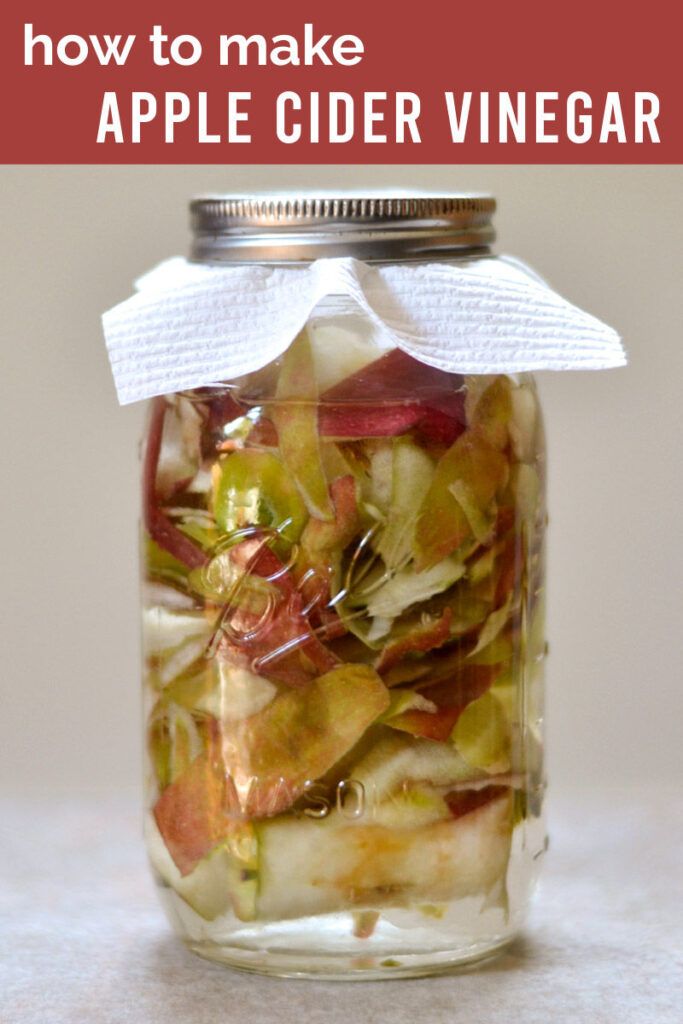
Required Ingredients:
1. Organic Apples
2. 1 Cup purified/distilled water
3. 1 tbsp sugar (natural)
NB: The ratio in making ACV is 1 Apple: 1 Cup Water: 1 tbsp Sugar. However, you may multiply or divide to suit the amount you desire.
Equipment Needed:
1. Glass Jar/ glass bowl/ glass cup
2. Spoon/ Spatula
3. Yarn/Rubber band
4. Chiffon cloth (breathable/ air must be able to penetrate through)
5. Strainer
6. Funnel
Method:
1. Add sugar into water in a glass cup or bowl and set aside.
2. While waiting for sugar to dissolve in the water, dice apples and pour into the sugar/ water mixture.
3. Transfer it into the glass jar and stir thoroughly with spoon or spatula for a few seconds.
4. Cover with chiffon cloth and tie it tightly to the jar with rubber band or yarn.
5. Leave it to sit at a cool place for 6 weeks but stir for 30 seconds each day for the first 10 to 12 days to prevent the apples on the surface of the solution from drying.
6. After 6 weeks, strain the solution with a plastic strainer and plastic funnel into a glass container.
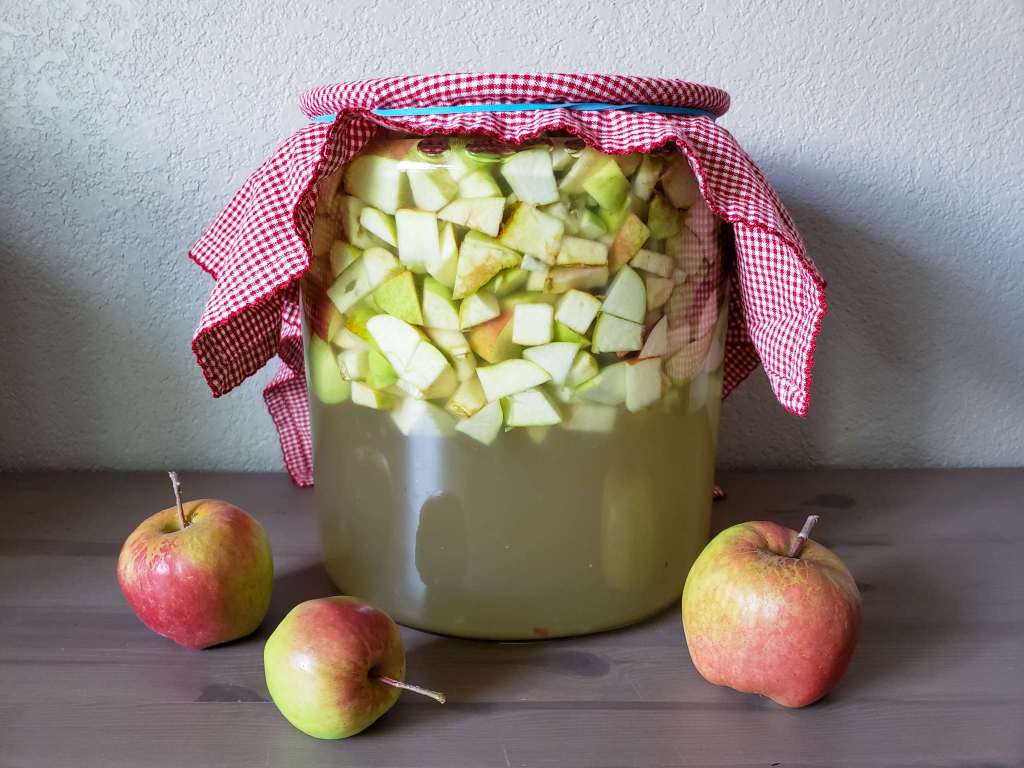
One may wonder why sugar is used in making ACV. Well, the bacteria must feed on the sugar for the fermentation process to occur for effective and quicker results.
Do not use any metal equipment in this process as the metal reacts with the chemical compound of the ACV.
So we’re through with ACV, and why every natural needs it to enrich their hair journey. ACV is very essential in our natural hair journey due to its super fantastic properties, but as said earlier, it’s not mandatory but very necessary in your hair journey. You may include it in your wash day or treatment routines and girl, you’re gone thank me later. Hope you find ACV friendly enough and this article useful as well to your hair journey.
Thank you for being a part of us by perusing through this article. Any comment or question is duly welcome. Wish you the best of luck in your natural hair journey. See ya in the next blog!
 Curly Naturales Community (CNC)